Stock market manipulation and insider trading story in the World: Share Trading Law and Policy In Nepal
Jun Mon 2025 04:17:16

Kathmandu: Individual investors and hedge funds have had to pay millions of dollars in fines for manipulation or insider trading in the stock markets of developed countries. Although regulators in Nepal take such incidents as normal, those who engage in insider trading, cornering or any kind of manipulation in the global market are severely punished. There are many examples of regulatory bodies and courts in different countries of the world taking strict action in such incidents.
Most countries in the world consider such activities as serious economic crimes and impose severe punishments such as imprisonment, fines, and business restrictions on the guilty. Only this ensures long-term stability of the market and protection of investors.
Share Trading Law and Policy In Nepal
If a person trades securities based on inside information or information that may affect the price of undisclosed securities, or instructs others to trade securities, or if he provides information or information that he knows to anyone other than in the course of performing his duties, such a person is considered to have engaged in insider trading of securities.
The Securities Act and Regulations prohibit such transactions. Insider trading is likely to involve the company's chairman, directors, chief executive officer, chief accounting officer, and employees at high levels of management, auditors, and others.
Section 101 of the Securities Act-2063 provides for punishment for insider trading. According to Section 91, if an insider is found to have engaged in insider trading, it is stated that he will be fined according to the amount or imprisoned for up to one year, or both.
John Soe Chee Win - Singapore's Penny Stock Crash
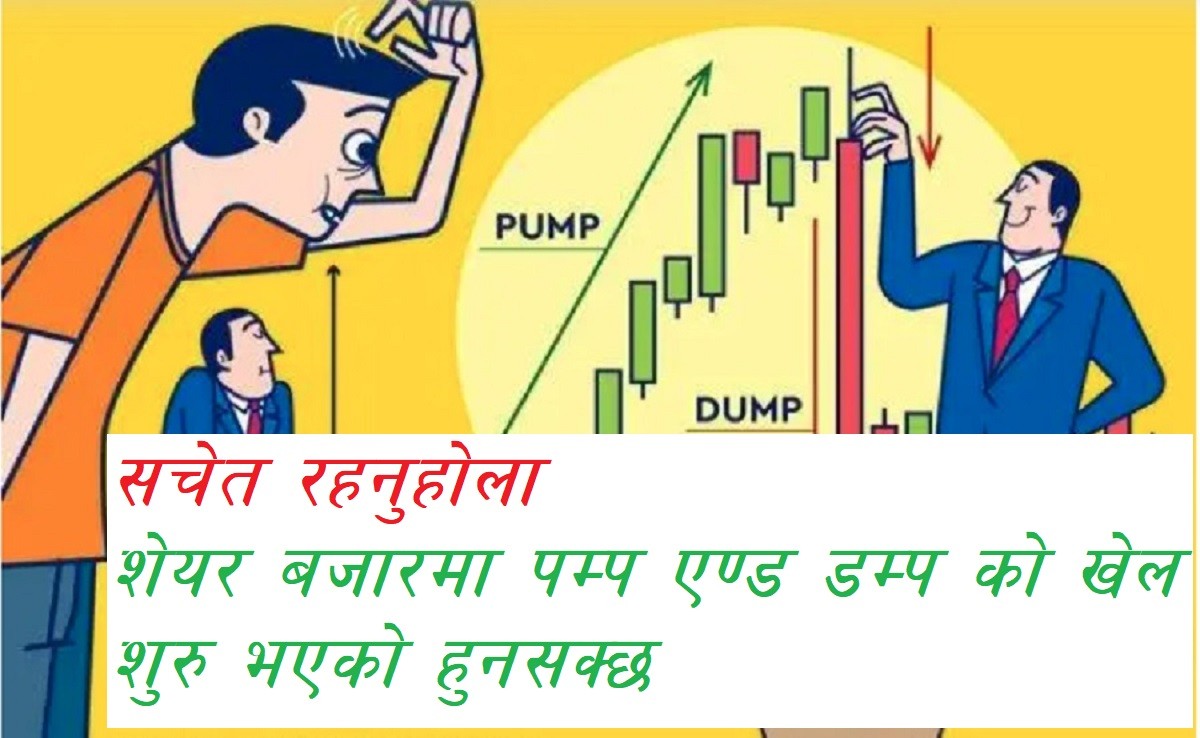
The share prices of penny stock companies named Blumont Group, Asiasans Capital, and Liongold, listed on Singapore's 'SGX', were artificially inflated, resulting in a market price fraud of about 8 billion Singapore dollars. This is an incident from 2022. John opened many accounts and made many transactions, creating fake demand in the market. His strategy was a 'pump and dump' type, which deceived investors.
He used various accounts to manipulate prices, spread market-friendly news and rumors to increase investor sentiment, provide misleading information to large investors, and violate the transparency of the stock market. For this act, the court sentenced him to 36 years in prison. Which is considered the harshest punishment in the world for stock market manipulation. He was also ordered to pay compensation for financial losses.
Raj Rajaratnam, America, Galleon Group ScandalRaj Rajaratnam earned millions of dollars in profits by obtaining confidential information from companies in industries including banks, technology, and others through his hedge fund Galleon Group. His case tightened regulations against insider trading on Wall Street.
He used to obtain confidential information from high-ranking employees within the company, use the information to buy and sell shares in advance, and make profits based on the information. Raj was sentenced to 11 years in prison and a fine of more than $156 million. This is considered the harshest sentence in history for insider trading in the United States.
The case was a major breakthrough for regulators and began a trend of increasing prosecutions of insider trading in stock markets around the world. It also raised awareness of the need for transparency in the hedge fund industry. This is the 2011 incident.
Lucas Kame, Australia, government data leak
Lucas Kame secretly obtained and made illegal profits from the Australian government's financial data before it was released. He was sentenced to 7 years and 3 months in prison for failing to keep government financial data confidential, trading shares based on information received, and giving false signals to the market. Which is one of the harshest sentences for insider trading in Australia. His crime showed how important and necessary the confidentiality of government data is in the market. This incident took place in 1915.
Xu Jiang, China, Market Manipulation
Xu Jiang, a famous hedge fund manager in China, made huge profits through market manipulation and insider trading. His arrest and conviction led to stricter economic reforms and market regulation in China. He was sentenced to 5 years and 6 months in prison and a fine of $1.6 billion for attempting to manipulate market prices, misusing confidential information, and making illegal profits. This was in 2017.
The case strengthened China's drive for stricter regulation and anti-corruption in financial markets. It alerted foreign investors to the risks in the Chinese market.
Christian Littlewood, UK, Bank Employee Insider Trading
Littlewood, with the help of his wife and friends, used confidential banking information to make millions of dollars in profits. The case raised questions about the confidentiality of financial institutions and investor protection in the UK. He was sentenced to 3 years and 4 months in prison for misusing banking information, conspiring with family and friends, and causing huge financial losses. This was in 2011.
Yoshiaki Murakami, Japan, hedge fund manager
Murakami used inside information from large companies to buy and sell shares. This case exposed the strict rules and lack of transparency in the Japanese stock market. This happened in 2007. He was sentenced to 2 years in prison and a fine of $10 million for using inside information, attempting to manipulate the market, and violating the rules.
There are many examples of people being severely punished for manipulating the stock market. However, such strict action has not been taken in Nepal so far. Even if they have earned crores by manipulating, they are fined a few lakhs and released. Nepal's legal system is weak, which has discouraged people from manipulating.
Various countries around the world have taken strict legal action against stock market manipulation and insider trading. This plays an important role in maintaining investor confidence and ensuring market transparency.
Related post

- Digital ICT Media PVT LTD (A Women Group)
- Tarkeshwor, Kathmandu, Nepal
- digitalictmedia@gmail.com
© 2026 All right Reversed.Banks Nepal Pvt Ltd