
NRB Share Trading Circular to Banks and Financial Institutions: Banks stricted shares Trading from 6 months to 45 days
Sep Thu 2026 03:33:21
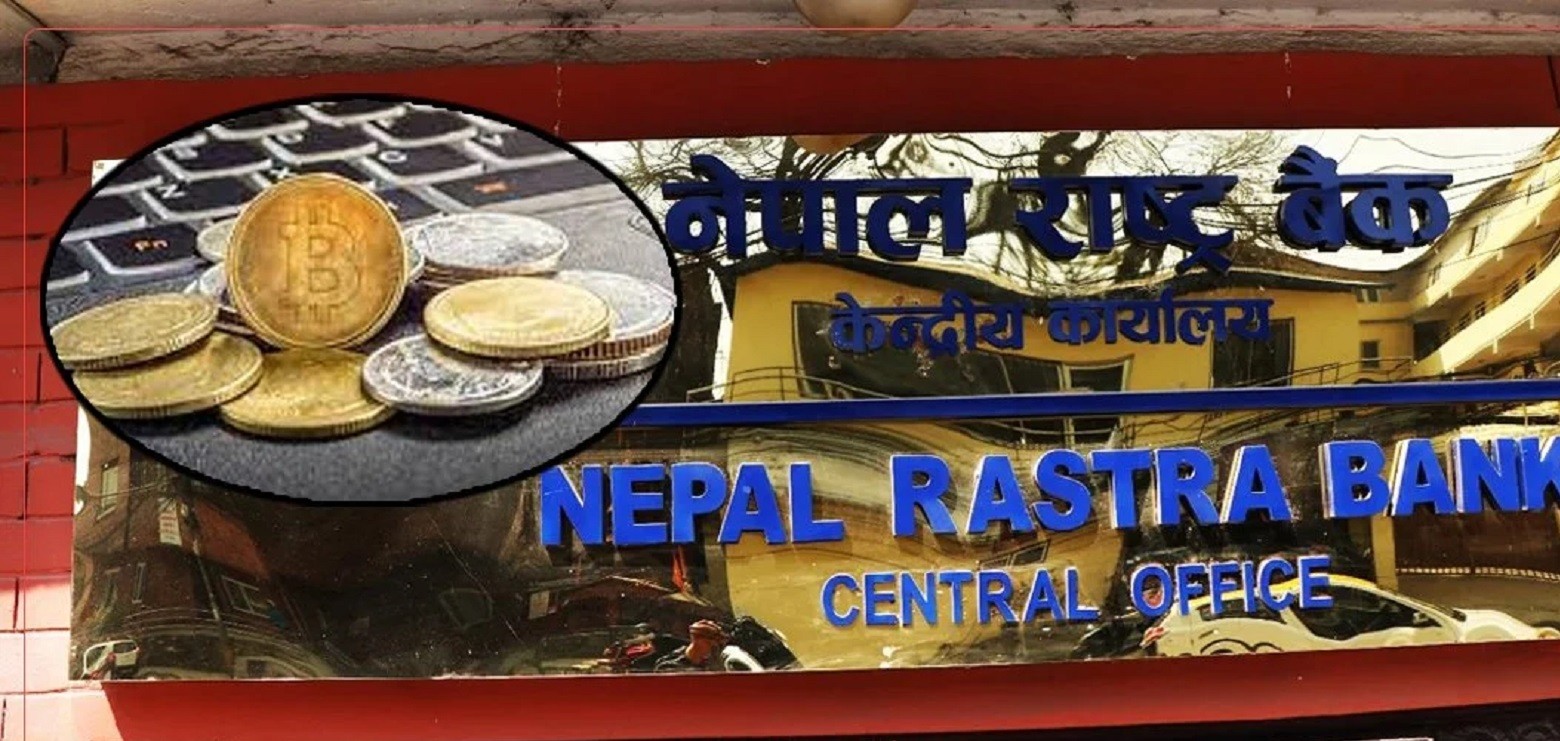
Kathmandu. Nepal Rastra Bank has reduced the minimum period for banks and financial institutions to invest in shares and debentures of listed companies from 6 months to 45 days. The Rastra Bank has made such a provision by amending the Integrated Directives issued to ‘A’, ‘B’ and ‘C’ category institutions, 2082. This has eased the restrictions on the time for banks and financial institutions to invest in the capital market.
By reducing the period, the Rastra Bank has expanded internal control over investment. Now, before investing in government securities, Rastra Bank bonds and shares, debentures of corporate bodies and other instruments, the licensed institution will have to prepare policies and procedures to minimize the risk of speculation and get them approved by the board of directors.
Such a policy should clearly state the investment objective and strategy, which instruments can or cannot be invested in, how to classify investments in the ‘banking book’ and ‘trading book’, and the minimum and expected holding period of each instrument. The investment approval process, the authority of the officer, and the method of identifying and controlling conflicts of interest should also be included.
In terms of risk management, the policy should include trading strategies, risk limits, profit and loss limits, investment concentration, evaluation of the trading book based on daily market prices, and stress testing. The institution issuing the invested instruments should also have internal risk assessment and records and reports related to the transactions. The approved policies and procedures should be submitted to the relevant supervision department of the National Bank as prescribed.
The amendment has also added separate monthly forms related to the banking book and trading book for the investment details of banks and financial institutions. These details should disclose the company and equipment invested in, the date of investment and sale, the amount, and profit and loss. This seems to make the monitoring of the bank's capital market-related investments and transactions more systematic.
Through the same circular, the National Bank has also made provision for the countercyclical buffer to be maintained by commercial banks for the fiscal year 2083/84 at zero percent. This rate was zero percent for the previous fiscal year as well.
From a capital market perspective, the main change in the circular is the reduction of the six-month limit to 45 days. This gives banks and financial institutions more time flexibility in investment decisions. The amount of new investment that comes into the market will depend on the institution's approved investment policy, risk limits, and actual investment decisions.
Related post



- Digital ICT Media PVT LTD (A Women Group)
- Tarkeshwor, Kathmandu, Nepal
- digitalictmedia@gmail.com
© 2026 All right Reversed.Banks Nepal Pvt Ltd