

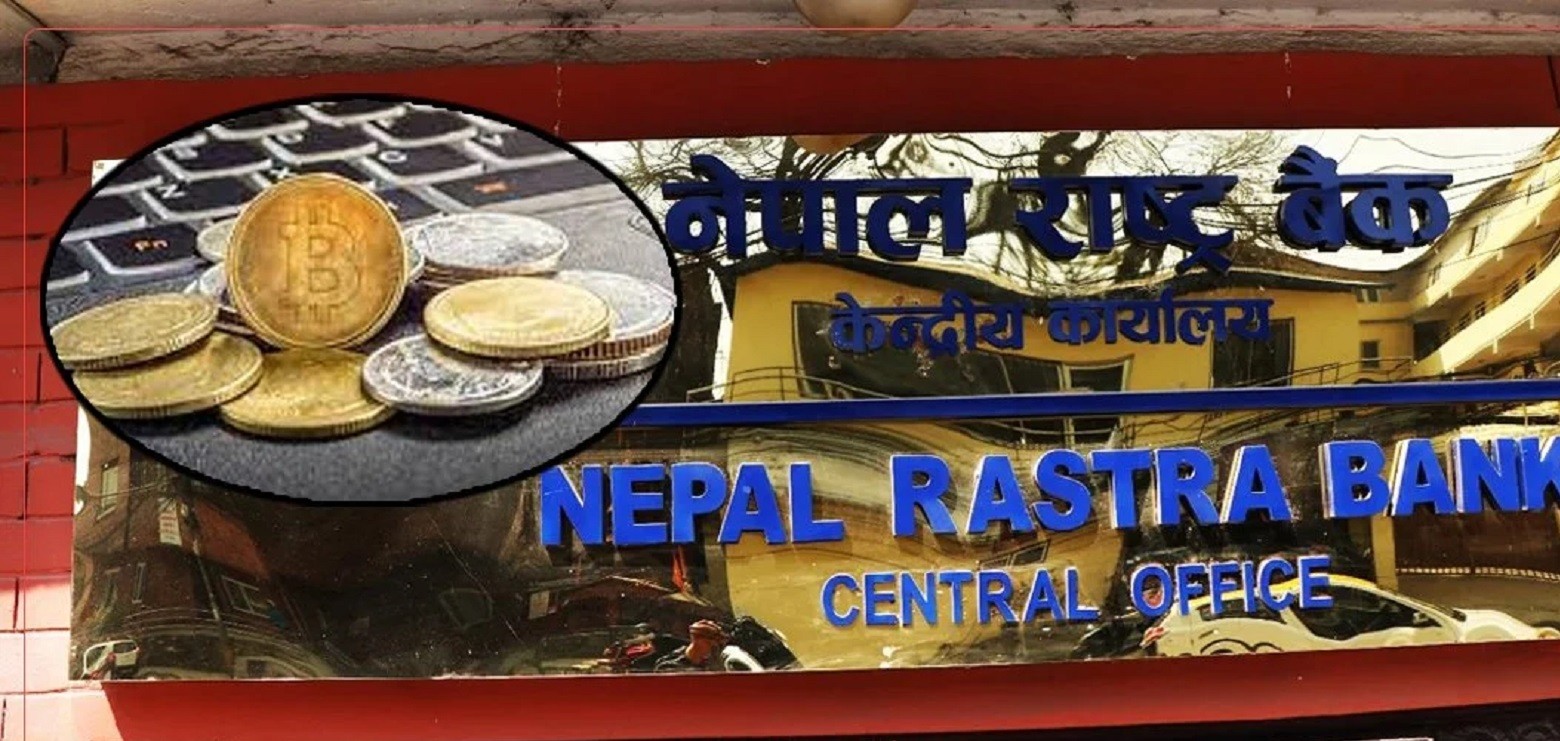
Kathmandu. The government has registered a bill to amend the Nepal Rastra Bank Act, 2058 BS, in the federal parliament to make Nepal Rastra Bank autonomous. The bill, registered by the Ministry of Finance in the House of Representatives on Monday, proposes extensive amendments to the role, structure, regulatory authority, digital financial system and financial stability of the central bank.
The government has initiated the process of amending the existing act in view of the changes in the national and international economic and financial sectors, the expansion of the financial system, the rapid use of digital technology and the changing role of the central bank. The Ministry of Finance has stated that this bill has been prepared for legal reform to clarify the unclear and difficult provisions of the existing act and to operate it more effectively.
The proposed bill includes provisions to restructure the provisions related to the appointment and removal of governors and directors, further strengthen the mechanism for maintaining financial stability, give legal recognition to digital currency and clarify the regulatory and supervisory authority of the central bank.
The bill includes ‘digital currency’ within the legal definition for the first time. By amending the provision that has focused on 'currency notes' so far, it has been proposed to include digital currency issued by banks within the term 'currency'. With this, the way is being opened for digital currency issued by Nepal Rastra Bank to gain legal recognition like bank notes.
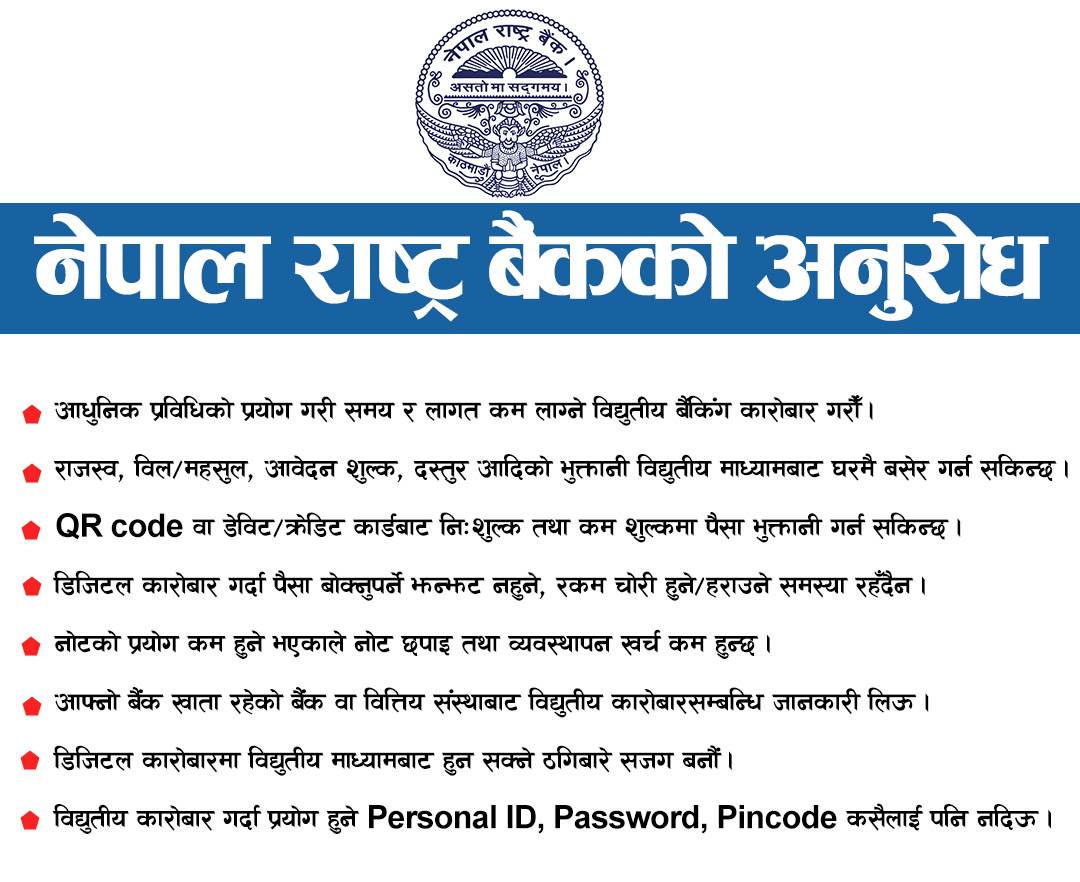
Similarly, the definition of financial institution has also been expanded. According to the provisions of the bill, it is proposed to bring remittance transaction institutions, payment system operators and digital payment service providers within the scope of financial institutions. This seems to bring digital wallets, payment gateways and remittance service providers directly under the regulation of the central bank.
A new provision regarding 'financial holding company' has also been added to the bill. A subsidiary, joint venture or structurally owned entity of a commercial bank or financial institution has been defined as a financial holding company. This is expected to further streamline the structure and ownership management of the banking group.
According to the amendment proposal in the bill, the structure of the Nepal Rastra Bank Board of Directors will also be changed. Currently, there is a provision for the Finance Secretary, two deputy governors and three directors appointed by the government, but now it is proposed to increase the number of directors appointed to five.
The bill proposes to give Nepal Rastra Bank a clear responsibility as a 'macro prudential' regulator. The goal is to legally strengthen its role in increasing public access and confidence in the banking and financial system, maintaining financial stability and managing systemic risk.
Similarly, the central bank is also proposed to have the authority to make limited investments or loans to various subsidiary institutions related to the financial system. The bill includes a provision that allows the Rastra Bank to invest up to 10 percent of its total capital in institutions working in areas such as collateral management, credit rating, financial information exchange, payment clearing, asset management and trustee services.
Amendments have also been proposed to the provisions related to foreign exchange rates. The current authority of the Rastra Bank to determine the exchange rate system has been further clarified in the bill, and a provision related to 'exchange rate system and exchange rate determination' has been included.
The proposed amendment is seen as the tenth in the context of the fact that the National Bank Act has been amended nine times since its promulgation. According to the Ministry of Finance, the amendment to the Act is being made with the aim of aligning the objectives, scope, and structure of the central bank with internationally accepted concepts, strengthening institutional autonomy, and making its supervisory and regulatory roles more effective.
The Act is being amended in a timely manner to implement the reform program outlined in the budget statement for the current fiscal year 2082/83, the Fourth Strategic Plan of Nepal Rastra Bank (2022-2026), and the monetary policy of the current fiscal year. The ‘Nepal Rastra Bank Act, 2058’ was last amended through the Act to Amend Certain Acts Relating to the Prevention of Money Laundering and Promotion of Business Environment, 2080, and the Act to Amend Certain Nepal Acts Relating to Cooperatives, 2081.
Related post



- Digital ICT Media PVT LTD (A Women Group)
- Tarkeshwor, Kathmandu, Nepal
- digitalictmedia@gmail.com
© 2026 All right Reversed.Banks Nepal Pvt Ltd